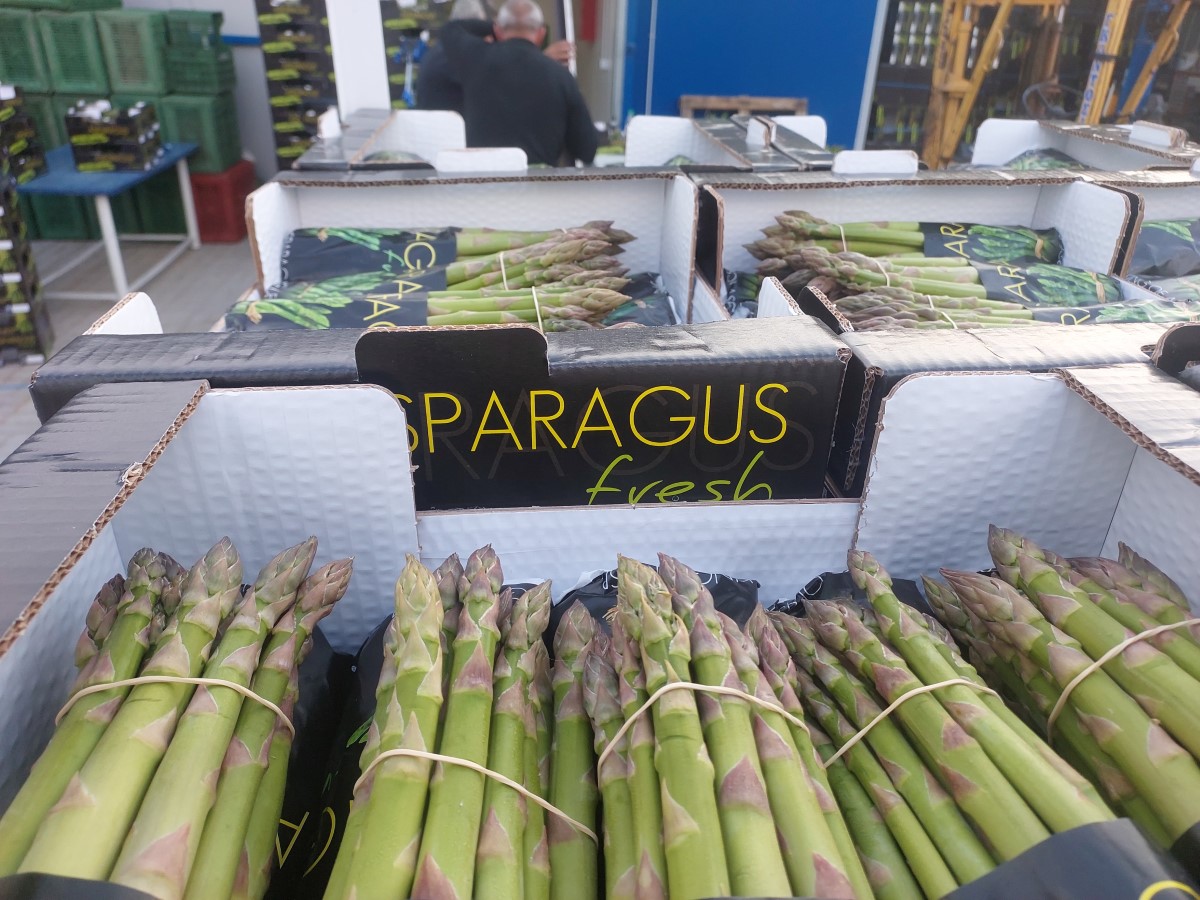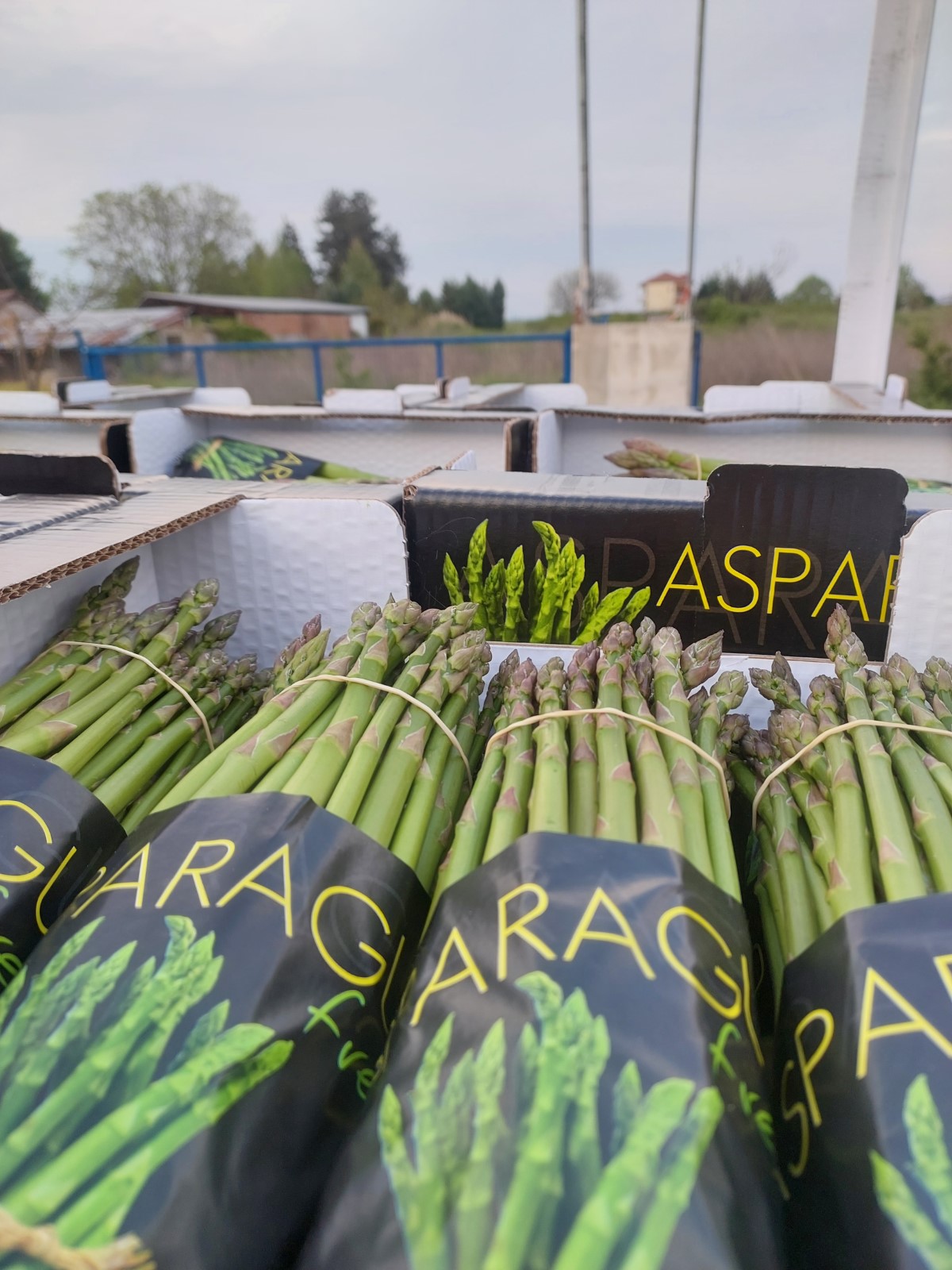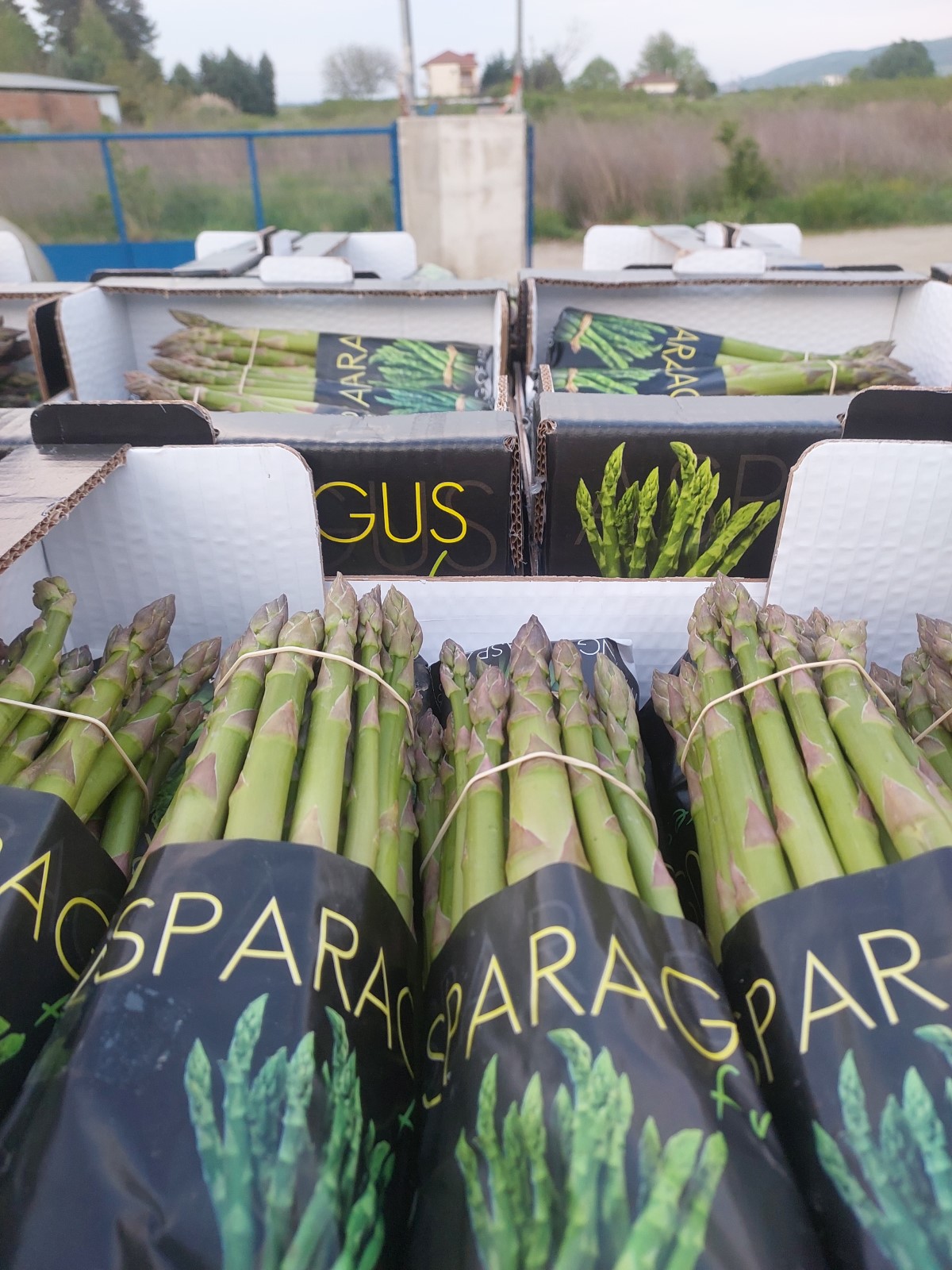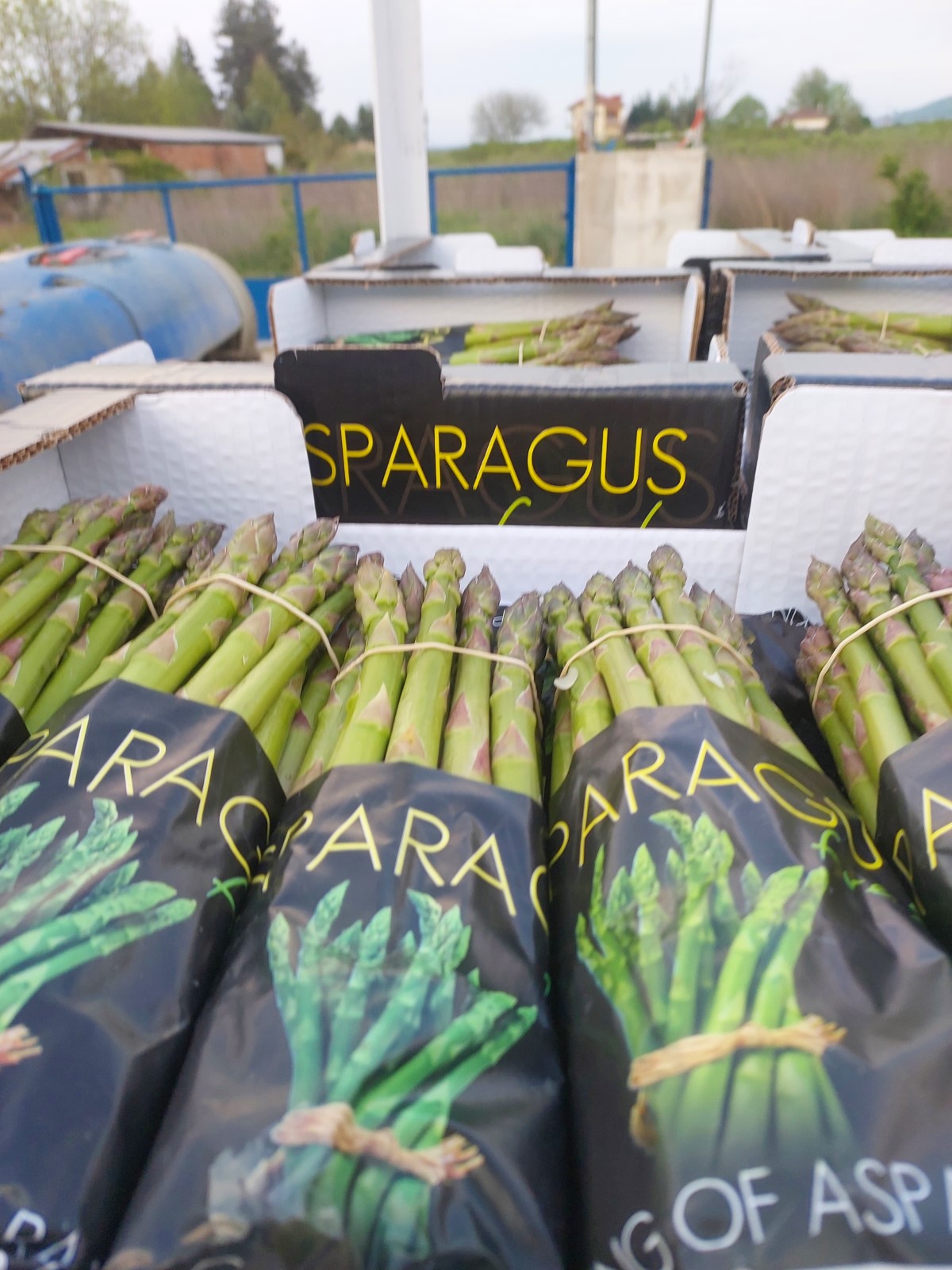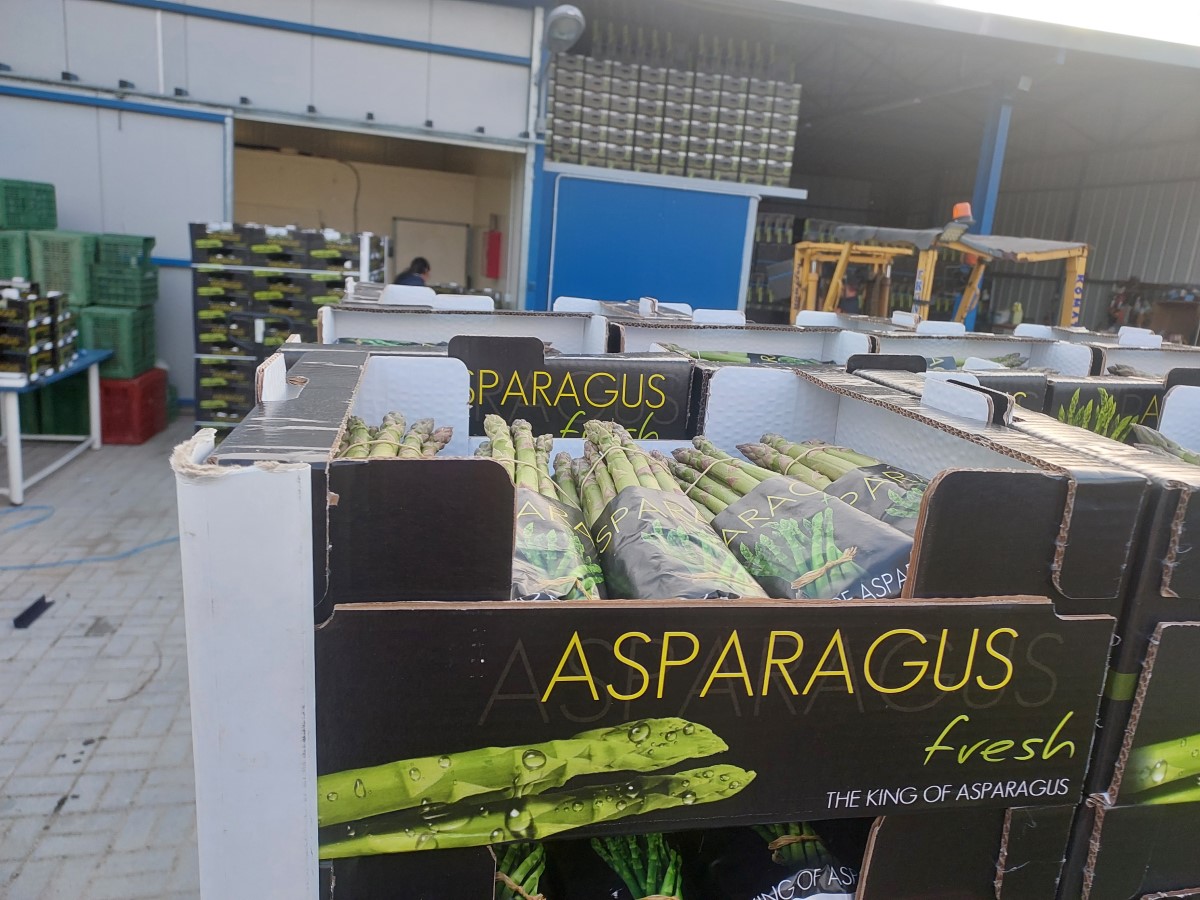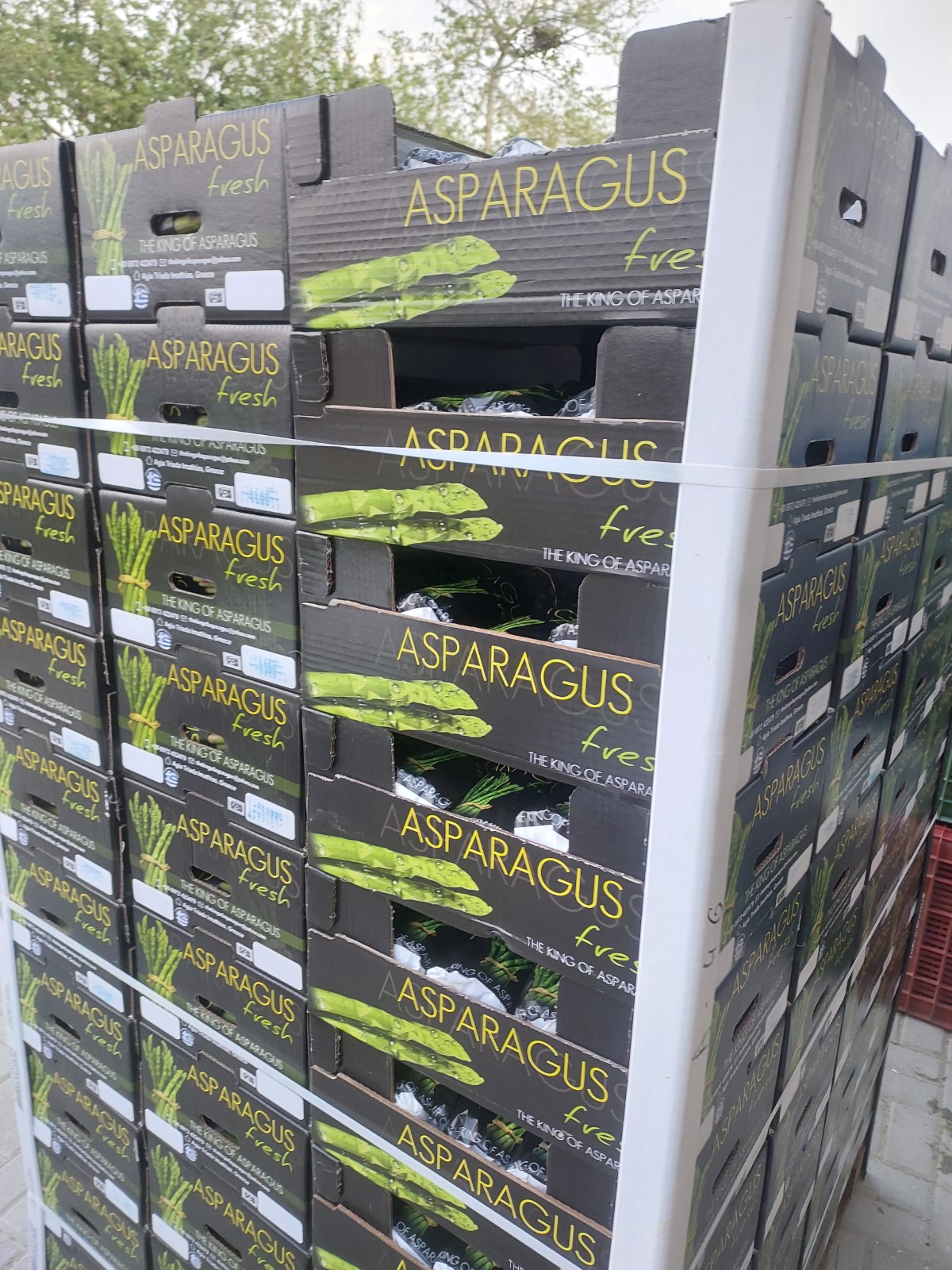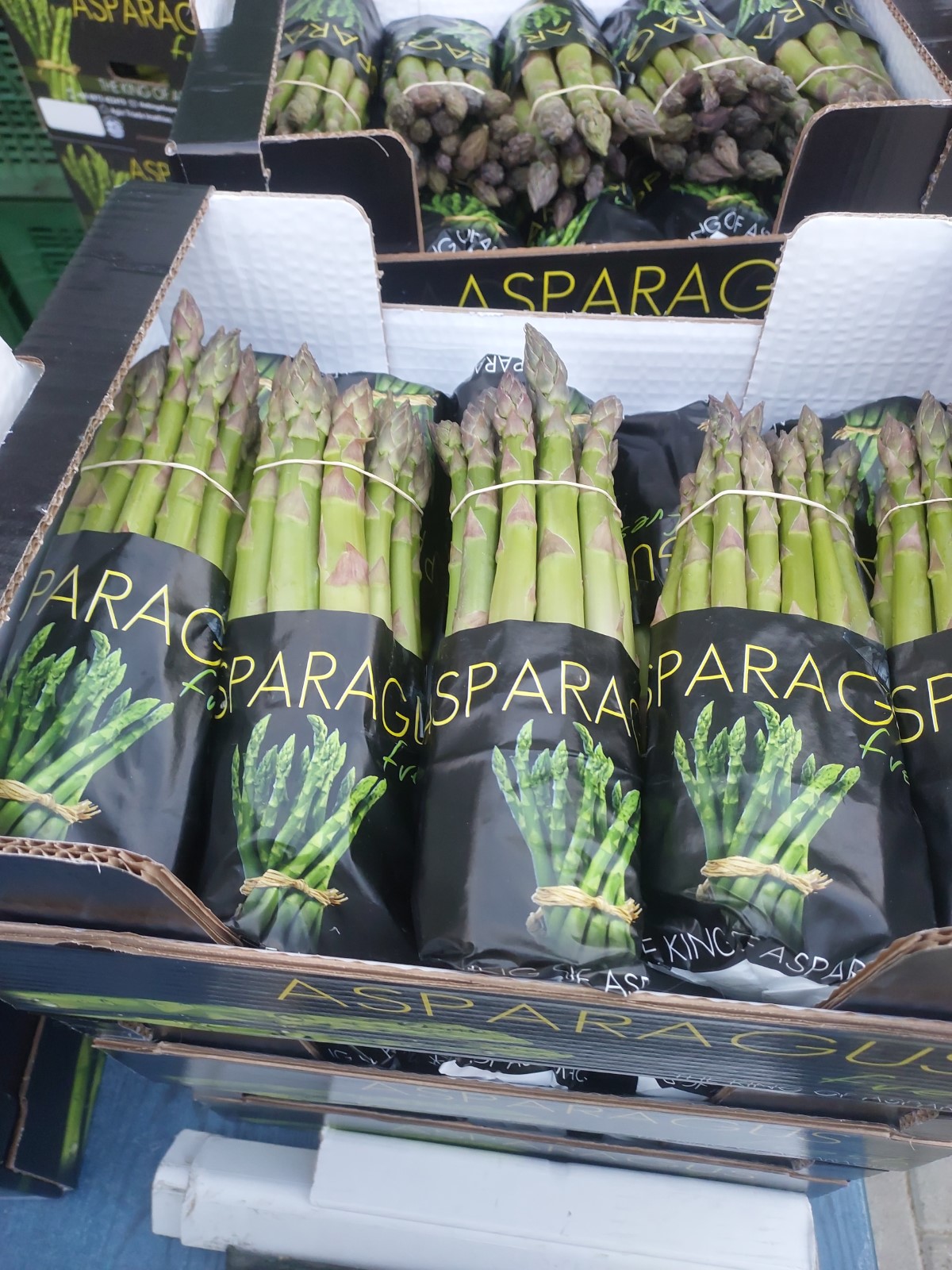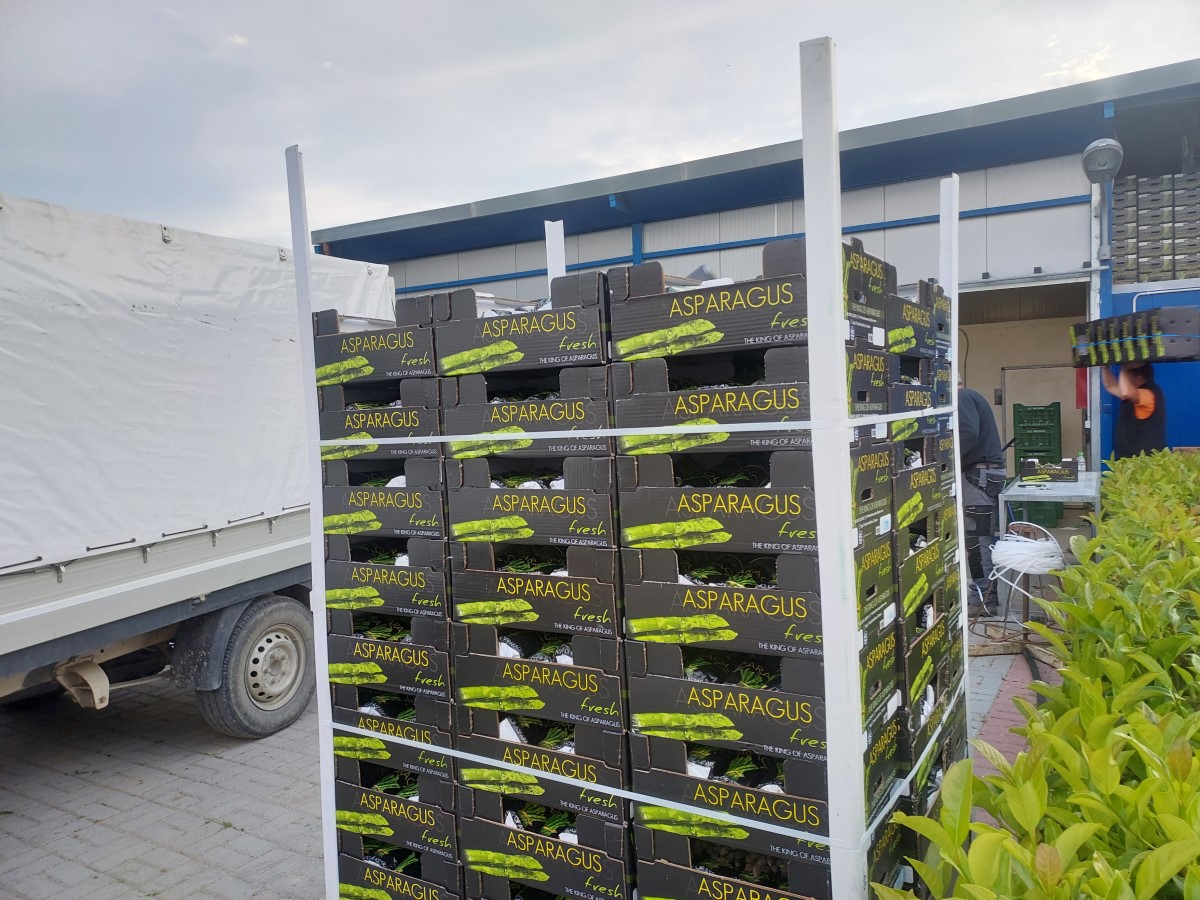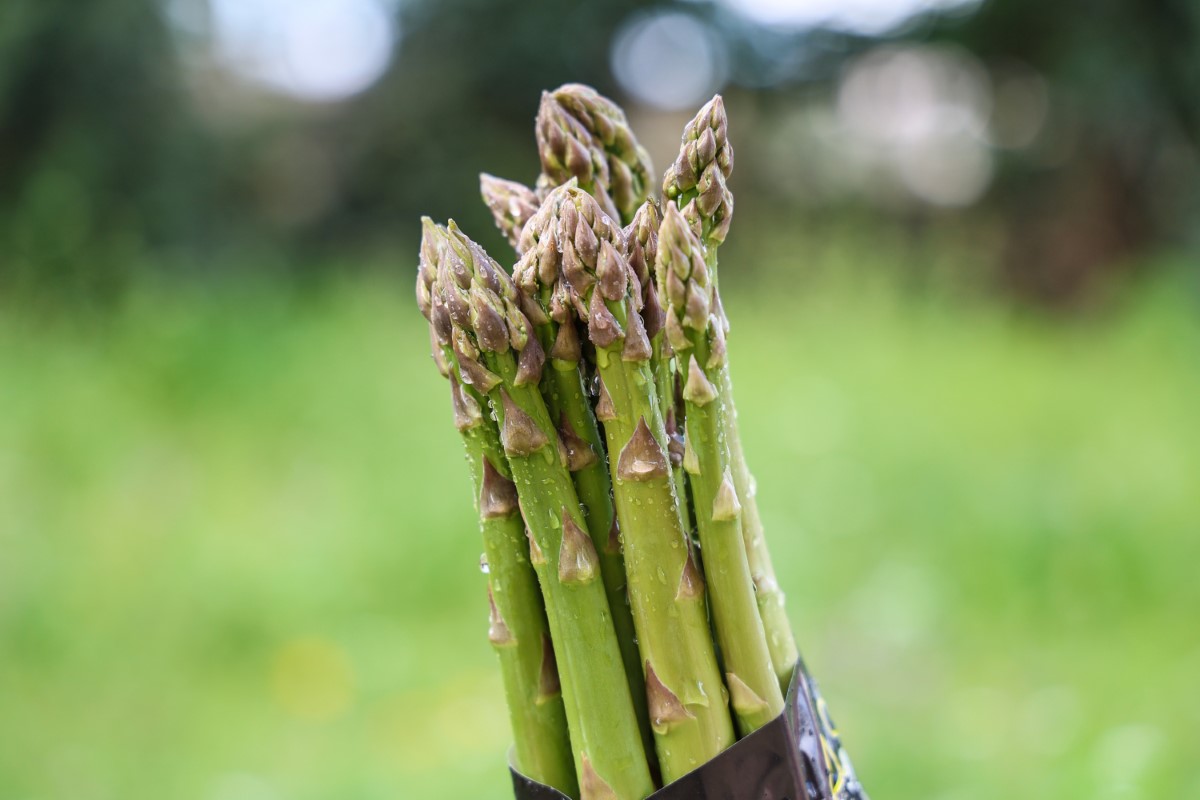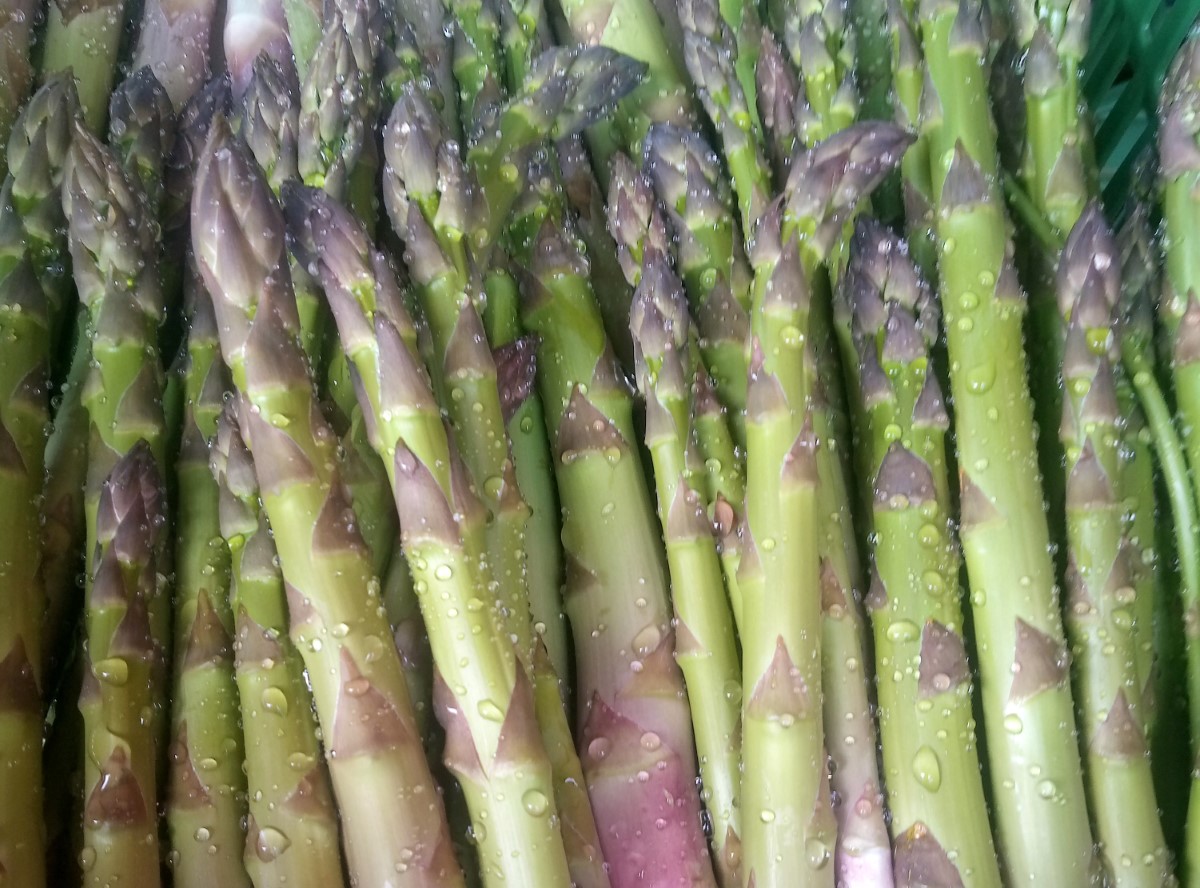
Asparagus

Asparagus is known for the abundance of vitamins it contains and its nutritional value. More specifically, they contain vitamin A, vitamin E, vitamin C and vitamin K, which plays an important role in the health of bones and blood vessels. They help with weight management and reduce the risk of heart disease. In addition, they contain calcium, magnesium, zinc and help stimulate the digestive system. The minerals and amino acids in asparagus protect liver cells from alcohol toxins. Finally, it is also a vegetable source of protein, with a yield of 2g per 100g.
Although we can find it in excellent quality in Greek land, it is a vegetable that rarely makes it to the typical Greek table. Asparagus can be eaten raw or cooked and will keep in the refrigerator for 3 to 5 days. However, you can extend their life if you place them in a jar of water and put them in the fridge, and much more if you put them in the freezer. There are many ways to cook asparagus. You can bake them in the oven, boil them, fry them, grill them or even steam them. All that is needed is to wash them and cut them off a little from the bottom, being careful not to damage their delicate top.
Seasonality
- March
- April
- May